Overview
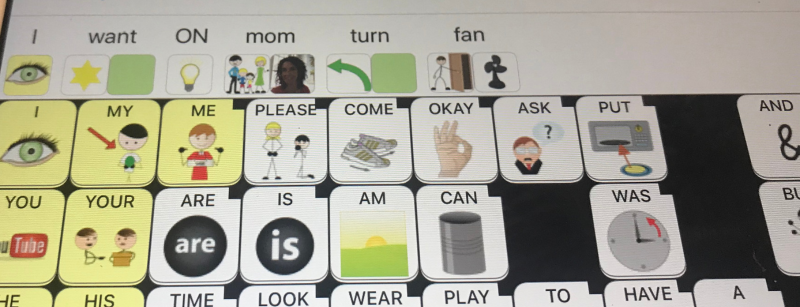
Augmentative and alternative communication (AAC) can be helpful to autistic individuals who are unable to get their communicative needs met through speech alone. AAC refers to a constellation of tools, strategies, and techniques that are used to supplement existing communication or replace communication modalities lost due to illness or disease. For autistic children and adults, the goal of AAC is to allow them to say whatever they want, regardless of context. Autistic AAC users can communicate effectively using unaided communication (e.g., gestures, manual signs) as well as AAC technology that ranges from simple to sophisticated. The selection of AAC tools and the development of an intervention plan are both conducted as a team process, with the autistic individual and their families playing a key role in the decision-making.
Estimated Time to Complete: 2 1/2 hours
- What's Included
- 52 pages
- Pre/post-assessments
- Free Certificate
Participants should be able to:
- Discuss at least two benefits of AAC for autistic individuals
- Compare and contrast the profiles of autistic AAC users at the emerging, context-dependent, & independent stages
- Discuss the characteristics of AAC-friendly environments for autistic individuals
- Explain the benefit of using AAC to mitigate behavior challenges in individuals with ASD
- Describe 2 AAC support strategies that communication partners should use throughout the day
Authors:
- Carole Zangari, Ph.D., CCC-SLP, ASHA-F, BCS-CL
- Erin Brooker Lozott, Ed.D., BCBA-D, CCC-SLP
Module Content
You can download a document that includes all content from the module, with the exception of videos. This resource can support your learning while completing the module or be saved for future reference.